Turning Innovation into Impact
Cinematic Product Placement
In a world where seeing is believing, powerful visual storytelling isn´t an option, it is a necessity.
Many products carry real innovation, yet their value rarely becomes obvious at first glance. Technical solutions remain difficult to visualize, consumer goods compete for attention in saturated markets, and distinctive designs often lose their story along the way. Short-form product films change how these products are perceived. They make mechanisms understandable, place products into meaningful situations, and reveal the ideas behind the object. When a product’s story becomes clear and visually compelling, audiences pay attention, recognition grows, and interest turns into demand.
beyond: Over two decades of successful visual communication as reliable BtoB partner

Character Brands
Make your products unforgetable long before purchase.
Read more
Character-driven products compete in a market where attention is short, trends move quickly, and novelty can fade just as fast as it appears. A distinctive design may attract curiosity at first, but without narrative context it is difficult to build lasting recognition or emotional attachment.
For collectible brands, toys, and character-based products, the real challenge lies in transforming objects into personalities. Characters need recognizable traits, behaviors, and stories that audiences can immediately understand and remember. Without this narrative layer, even visually unique products risk becoming interchangeable with the many other figures competing for attention in retail environments and digital spaces.
Brands that succeed in this category are those that manage to give their characters a clear identity and a world they belong to. When audiences can recognize a character’s attitude, humor, or personality within seconds, the product becomes more than a physical object—it becomes part of a larger story people want to engage with and share.
Character-driven products compete in a market where attention is short, trends move quickly, and novelty can fade just as fast as it appears. A distinctive design may attract curiosity at first, but without narrative context it is difficult to build lasting recognition or emotional attachment. For collectible brands, toys, and character-based products, the real challenge lies in transforming objects into personalities. Characters need recognizable traits, behaviors, and stories that audiences can immediately understand and remember. Without this narrative layer, even visually unique products risk becoming interchangeable with the many other figures competing for attention in retail environments and digital spaces. Brands that succeed in this category are those that manage to give their characters a clear identity and a world they belong to. When audiences can recognize a character’s attitude, humor, or personality within seconds, the product becomes more than a physical object—it becomes part of a larger story people want to engage with and share.
Attached video is a Concept Product Film
Independent creative exploration. Brand references used for demonstration purposes only.
Give your characters a personality people can't ignore.
Iconic Design
When your design can define an era.
Read more
Some products can become to carry decades of cultural relevance, craftsmanship, and design philosophy. Their significance extends beyond pure functionality—they represent moments in technological history, creative movements, or shifts in how people interact with tools and media.
Communicating this possible legacy in today’s digital landscape presents a particular challenge. Online environments move quickly, attention spans are short, and products are often reduced to quick comparisons of features or price. In such contexts, the deeper story behind iconic objects can easily be overlooked.
For brands associated with heritage products, the task is not only to present the product itself but to remind audiences why it became meaningful in the first place. The design decisions, the philosophy behind the object, and the cultural moments it helped shape are often what give these products their lasting value. When these elements remain hidden, even legendary designs risk losing the narrative that once made them iconic.
Some products can become to carry decades of cultural relevance, craftsmanship, and design philosophy. Their significance extends beyond pure functionality—they represent moments in technological history, creative movements, or shifts in how people interact with tools and media. Communicating this possible legacy in today’s digital landscape presents a particular challenge. Online environments move quickly, attention spans are short, and products are often reduced to quick comparisons of features or price. In such contexts, the deeper story behind iconic objects can easily be overlooked. For brands associated with heritage products, the task is not only to present the product itself but to remind audiences why it became meaningful in the first place. The design decisions, the philosophy behind the object, and the cultural moments it helped shape are often what give these products their lasting value. When these elements remain hidden, even legendary designs risk losing the narrative that once made them iconic.
Attached video is a Concept Product Film
Independent creative exploration. Brand references used for demonstration purposes only.
Make your audience fight for your product.


Building Systems
Reveal the intelligence behind systems.
Many construction products solve highly complex technical challenges, yet their true value is often difficult to communicate. Once installed, these materials disappear behind walls, beneath floors, or inside structural systems. The performance they provide—durability, insulation, safety, or efficiency—remains largely invisible to the people making purchasing or specification decisions. Manufacturers therefore face a persistent communication gap. Architects, contractors, and developers frequently encounter innovative materials through technical datasheets, specifications, or engineering documentation that explain performance but fail to clearly demonstrate why one solution stands out from another. Important advantages such as installation logic, system interaction, or long-term benefits can easily remain abstract or overlooked. For companies introducing new materials or improved systems, the real challenge is not simply describing the product, but helping professionals quickly grasp how it works, where it performs best, and why it represents a meaningful improvement over existing solutions.
Read more
Many construction products solve highly complex technical challenges, yet their true value is often difficult to communicate. Once installed, these materials disappear behind walls, beneath floors, or inside structural systems. The performance they provide—durability, insulation, safety, or efficiency—remains largely invisible to the people making purchasing or specification decisions.
Manufacturers therefore face a persistent communication gap. Architects, contractors, and developers frequently encounter innovative materials through technical datasheets, specifications, or engineering documentation that explain performance but fail to clearly demonstrate why one solution stands out from another. Important advantages such as installation logic, system interaction, or long-term benefits can easily remain abstract or overlooked.
For companies introducing new materials or improved systems, the real challenge is not simply describing the product, but helping professionals quickly grasp how it works, where it performs best, and why it represents a meaningful improvement over existing solutions.
Attached video is a Concept Product Film
Independent creative exploration. Brand references used for demonstration purposes only.
Boost your sales.
Precision Engineering
Where technical clarity meets emotional impact.
Read more
Advanced mechanical systems often represent the most critical innovations within a product, yet they are also the most difficult to communicate. Components such as braking systems operate with extreme precision, interacting with multiple layers of engineering that remain invisible to the outside observer. For audiences without specialized expertise, the logic behind these systems can be difficult to grasp, even when their performance is essential.
Manufacturers therefore face a dual communication challenge. On one hand, complex mechanisms must become understandable: how the system functions, how forces interact, and why the engineering solution provides superior safety or performance. On the other hand, these explanations must also capture attention and create visual appeal in environments where audiences quickly move on from purely technical information.
Effective communication of engineering systems requires a balance between clarity and engagement—revealing the elegance of the mechanism while presenting it in a way that draws the viewer in. When complexity becomes visually intelligible and aesthetically compelling at the same time, technical innovation can finally communicate its full value.
Advanced mechanical systems often represent the most critical innovations within a product, yet they are also the most difficult to communicate. Components such as braking systems operate with extreme precision, interacting with multiple layers of engineering that remain invisible to the outside observer. For audiences without specialized expertise, the logic behind these systems can be difficult to grasp, even when their performance is essential. Manufacturers therefore face a dual communication challenge. On one hand, complex mechanisms must become understandable: how the system functions, how forces interact, and why the engineering solution provides superior safety or performance. On the other hand, these explanations must also capture attention and create visual appeal in environments where audiences quickly move on from purely technical information. Effective communication of engineering systems requires a balance between clarity and engagement—revealing the elegance of the mechanism while presenting it in a way that draws the viewer in. When complexity becomes visually intelligible and aesthetically compelling at the same time, technical innovation can finally communicate its full value.
Attached video is a Concept Product Film
Independent creative exploration. Brand references used for demonstration purposes only.
Turn technical advantage into sales impact.
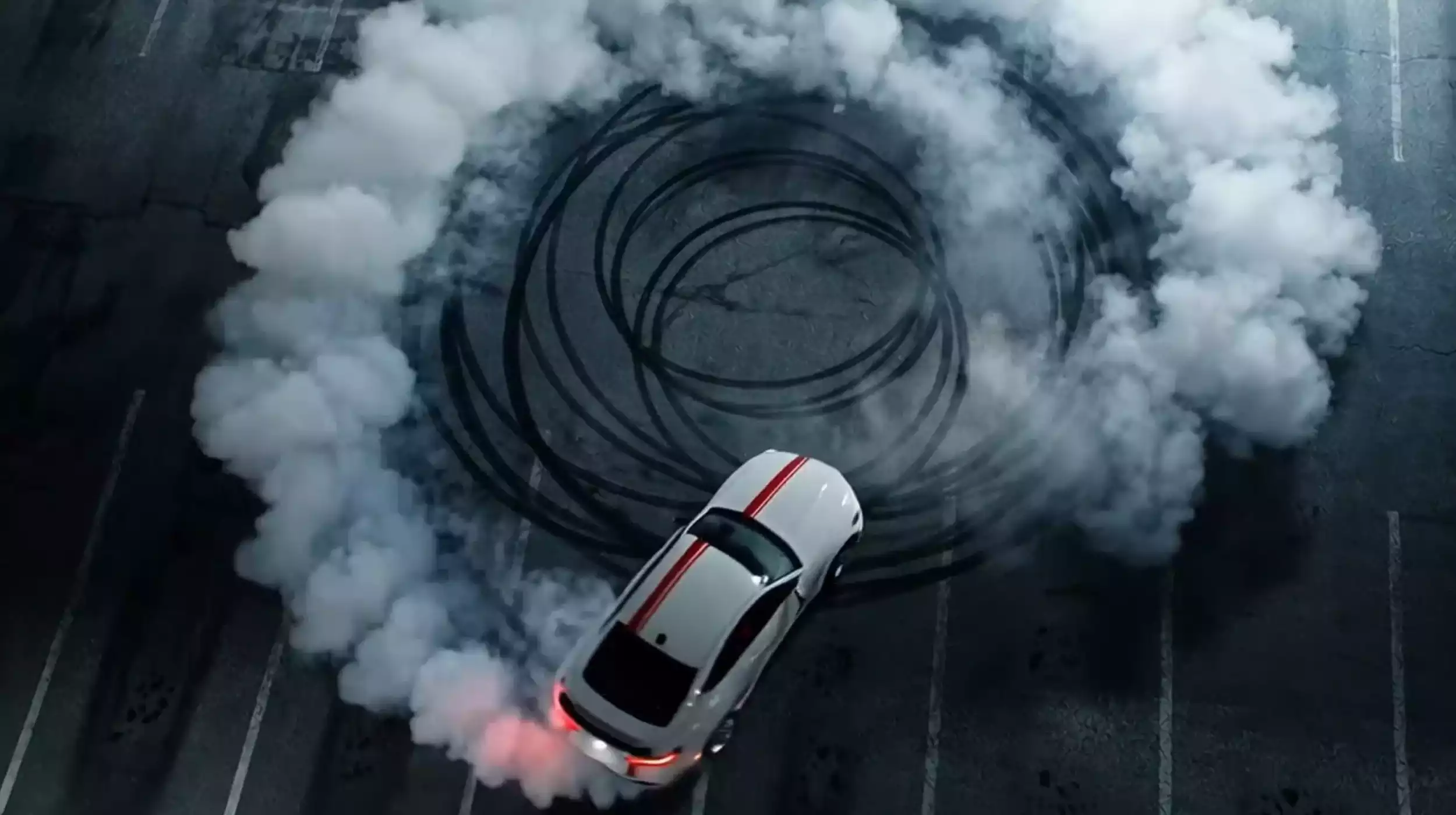

Consumer Culture
Being seen or being remembered?
Read more
Consumer products compete in an environment where buyers are constantly exposed to new brands, trends, and lifestyle signals. While functionality remains important, it rarely determines success on its own. What ultimately defines perception is how a product shapes social identity and cultural context.
For many brands, the difficulty lies in communicating this connection. Product images, feature lists, or technical descriptions may explain what an item does, but they rarely show why it matters. Customers often make decisions based on how a product reflects their personality, lifestyle, or sense of belonging.
This creates a communication challenge for companies operating in crowded consumer markets. To stand out, products must be presented not only as objects but as experiences—something people can imagine using, wearing, or integrating into their daily routines. Without this broader context, even well-designed products risk being perceived as just another option among countless alternatives.
Consumer products compete in an environment where buyers are constantly exposed to new brands, trends, and lifestyle signals. While functionality remains important, it rarely determines success on its own. What ultimately defines perception is how a product shapes social identity and cultural context. For many brands, the difficulty lies in communicating this connection. Product images, feature lists, or technical descriptions may explain what an item does, but they rarely show why it matters. Customers often make decisions based on how a product reflects their personality, lifestyle, or sense of belonging. This creates a communication challenge for companies operating in crowded consumer markets. To stand out, products must be presented not only as objects but as experiences—something people can imagine using, wearing, or integrating into their daily routines. Without this broader context, even well-designed products risk being perceived as just another option among countless alternatives.
Attached video is a Concept Product Film
Independent creative exploration. Brand references used for demonstration purposes only.
Turn cultural relevance into customer demand.
Sound Identity
The spirit behind your instrument: where sound becomes character.
Read more
Musical instruments occupy a unique space between craftsmanship, technology, and artistic expression. Musicians rarely choose an instrument based solely on specifications. While features such as pickups, wood types, or construction methods matter, the final decision is often driven by something more intangible: character, feel, and identity.
Communicating these qualities can be difficult through traditional product descriptions or catalog listings. Technical information explains how an instrument is built, but it rarely captures the atmosphere, culture, and expressive potential that musicians associate with their sound.
Manufacturers and dealers therefore face the challenge of translating the emotional and creative dimension of an instrument into communication that resonates with players. Musicians want to sense the personality of an instrument—the rhythm it suggests, the style it belongs to, and the musical world it represents. Without this connection, even beautifully crafted instruments can struggle to stand out in a competitive market.
Musical instruments occupy a unique space between craftsmanship, technology, and artistic expression. Musicians rarely choose an instrument based solely on specifications. While features such as pickups, wood types, or construction methods matter, the final decision is often driven by something more intangible: character, feel, and identity. Communicating these qualities can be difficult through traditional product descriptions or catalog listings. Technical information explains how an instrument is built, but it rarely captures the atmosphere, culture, and expressive potential that musicians associate with their sound. Manufacturers and dealers therefore face the challenge of translating the emotional and creative dimension of an instrument into communication that resonates with players. Musicians want to sense the personality of an instrument—the rhythm it suggests, the style it belongs to, and the musical world it represents. Without this connection, even beautifully crafted instruments can struggle to stand out in a competitive market.
Attached video is a Concept Product Film
Independent creative exploration. Brand references used for demonstration purposes only.
Show artists why your instrument matters.

“In a world of complex and fast-moving projects, beyond visual arts has remained flexible and responsive at every stage of the process. They listen carefully to fully understand our priorities and in turn propose thoughtful solutions that balance with our client’s expectations and deadlines. They go beyond simply creating images, to develop a deep understanding of our reputation and maintaining a high degree of excellence in the work they do that ultimately leads to a positive image in front of our clients. Their ability to comprehend and to react to our challenges in a timely manner is critical to our success. beyond is a true partner in every sense of the word”.
Cory Ticktin, Partner, StudioAXIS – USA, India, Thailand


“beyond visual arts truly gets us. Their creative design input and problem-solving give us a clear edge — faster decisions, fewer revisions, and stronger ties with our stakeholders. Their ability to bring ideas to life helps us build trust and win major projects quickly.”
Theja Geyer, Founder, Quest Investment Partners


“We are very selective about the collaborators we work with and specific expectations regarding design language and aesthetic integrity have to be met. Over many years of collaboration Beyond have consistently demonstrated a rare sensitivity to nuance, with an understanding of the visible elements of our designs as well as the underlying ideas we wish to communicate. Their ability to translate complex architectural intent to emotionally resonant visualisations is consistently impressive ensuring they are a trusted creative partner at the highest level.”
Tom Mival, Director – Code of Practice Architects, Berlin.